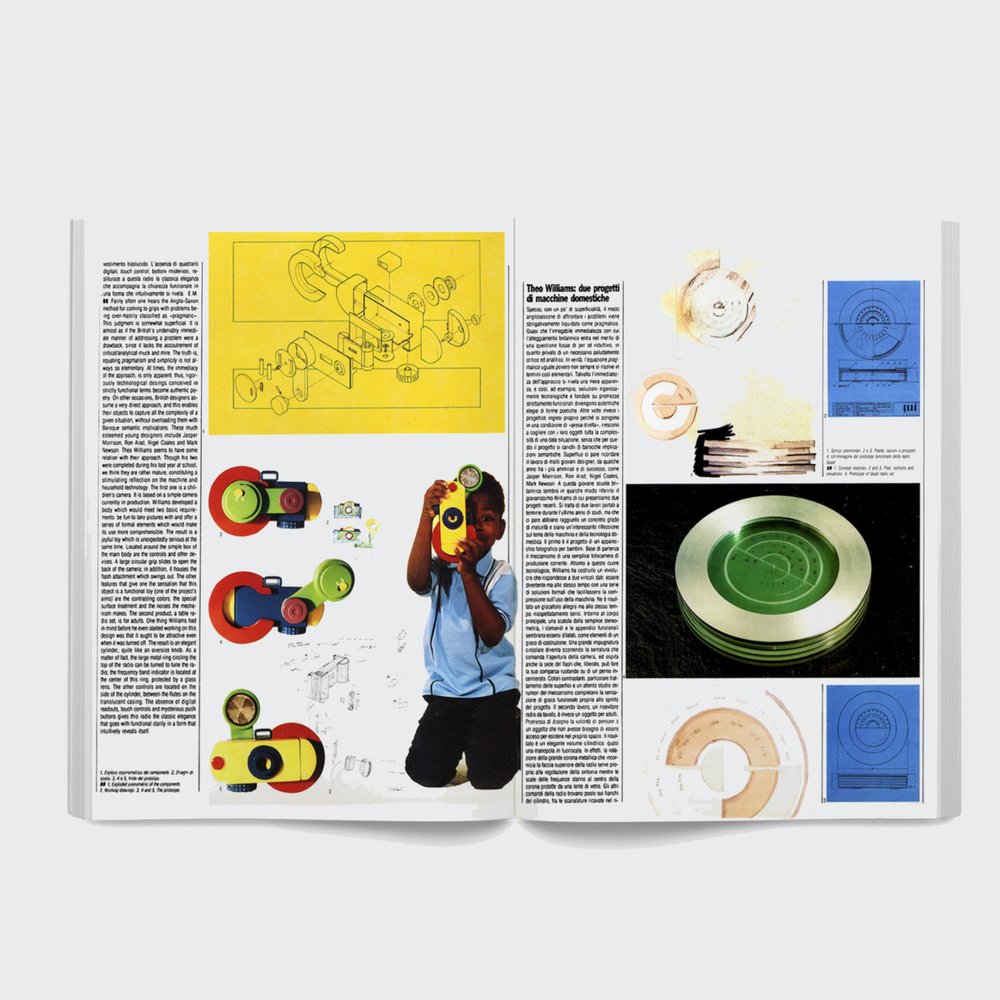
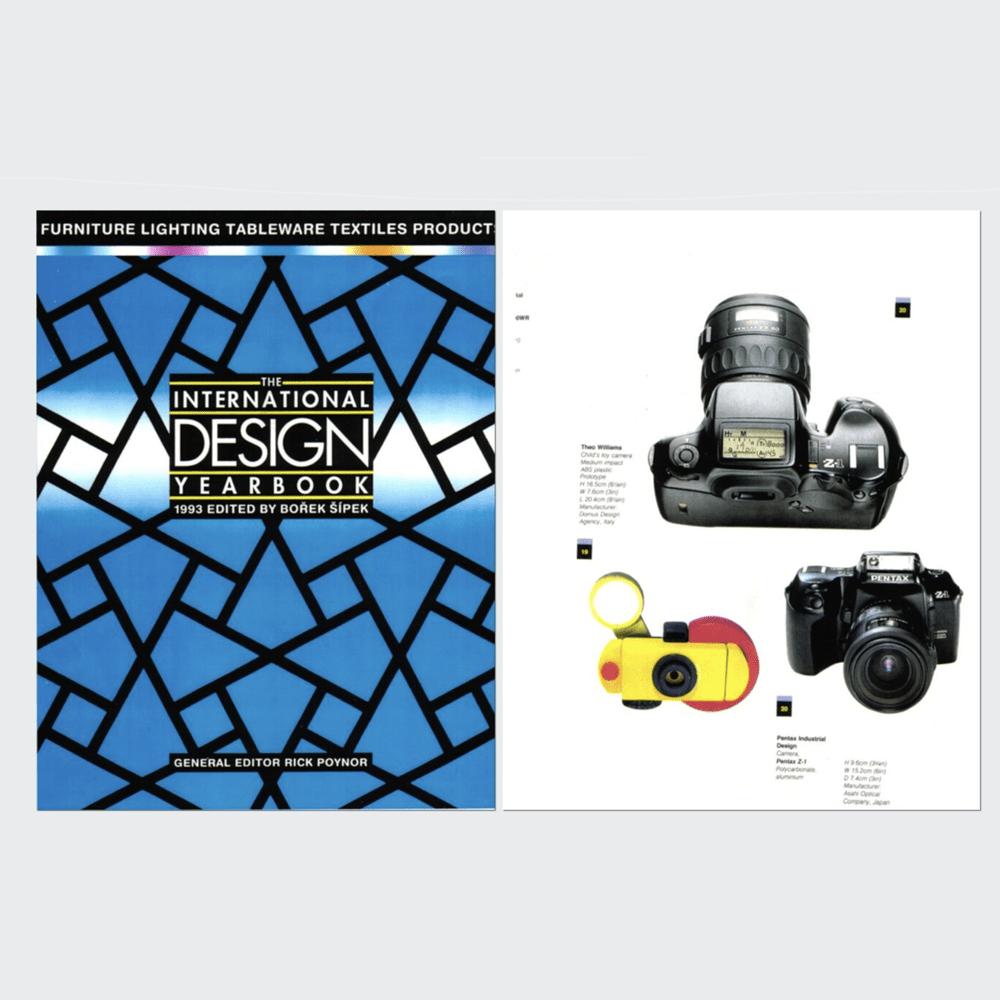
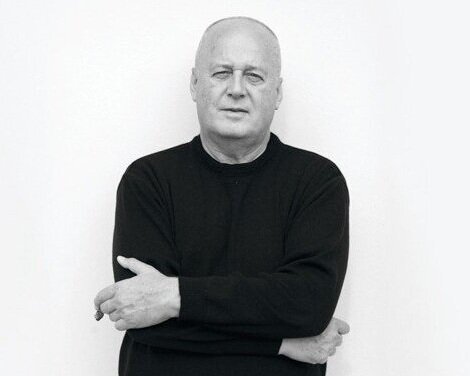
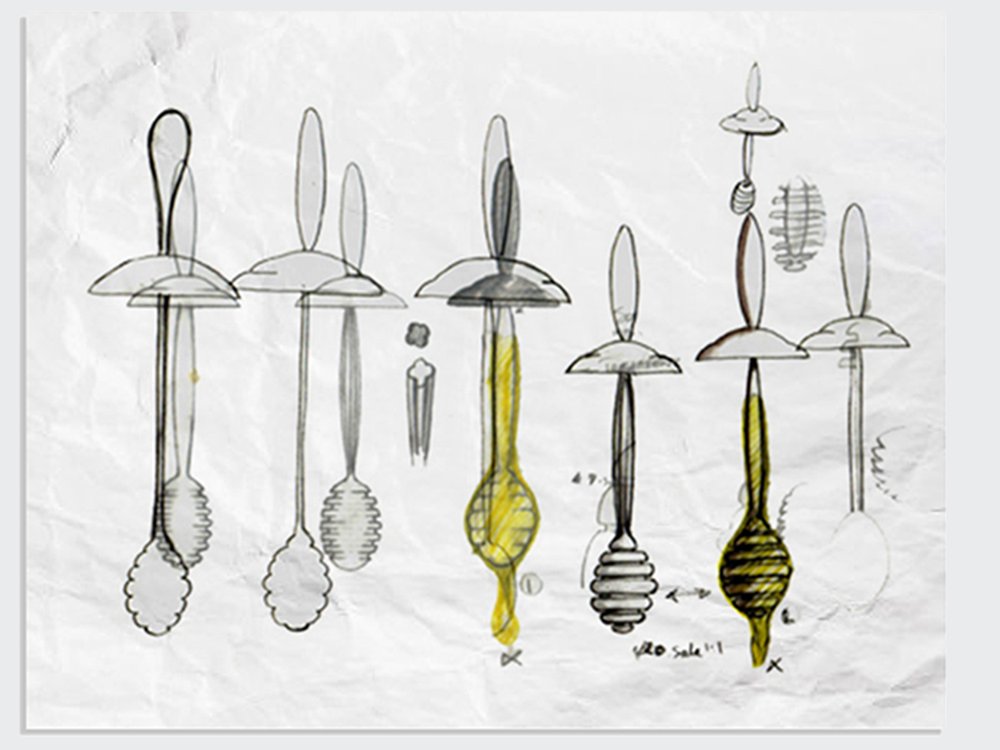
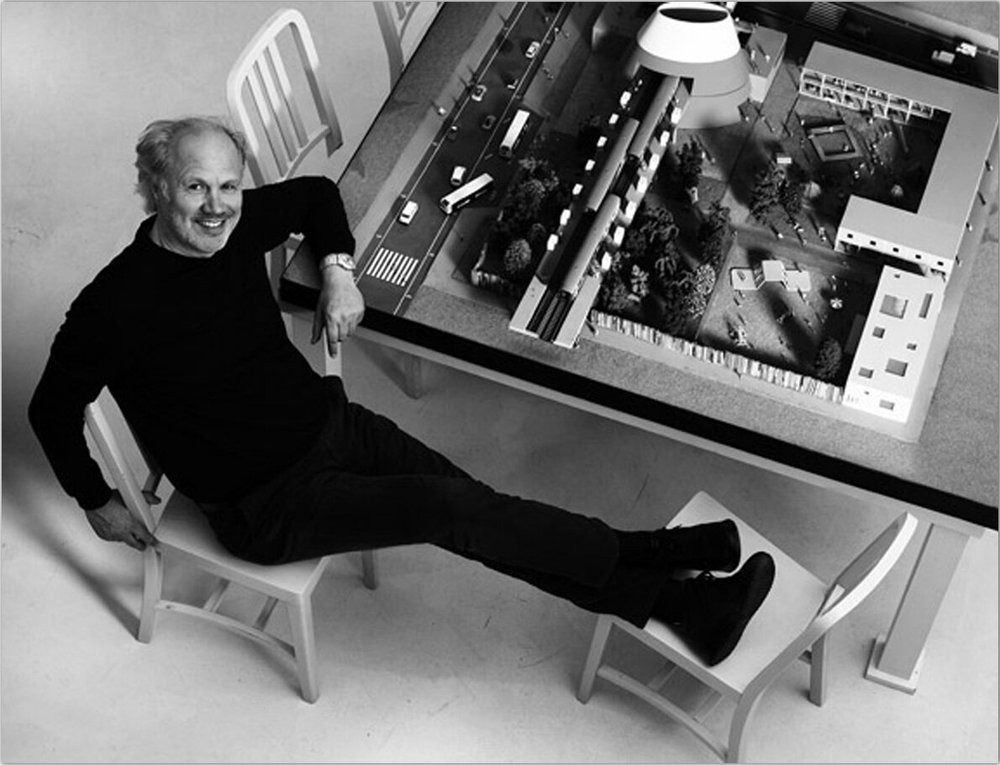
While attending a lecture by Alberto Alessi, Williams intervened uninvited to present his student portfolio. His tenacity, some might say audacity, paid off: Williams received a brief from Alessi that led to the design of the Alessi Honey Pot and Sugar Jar. He remains the youngest designer to have designed under the Alessi banner.
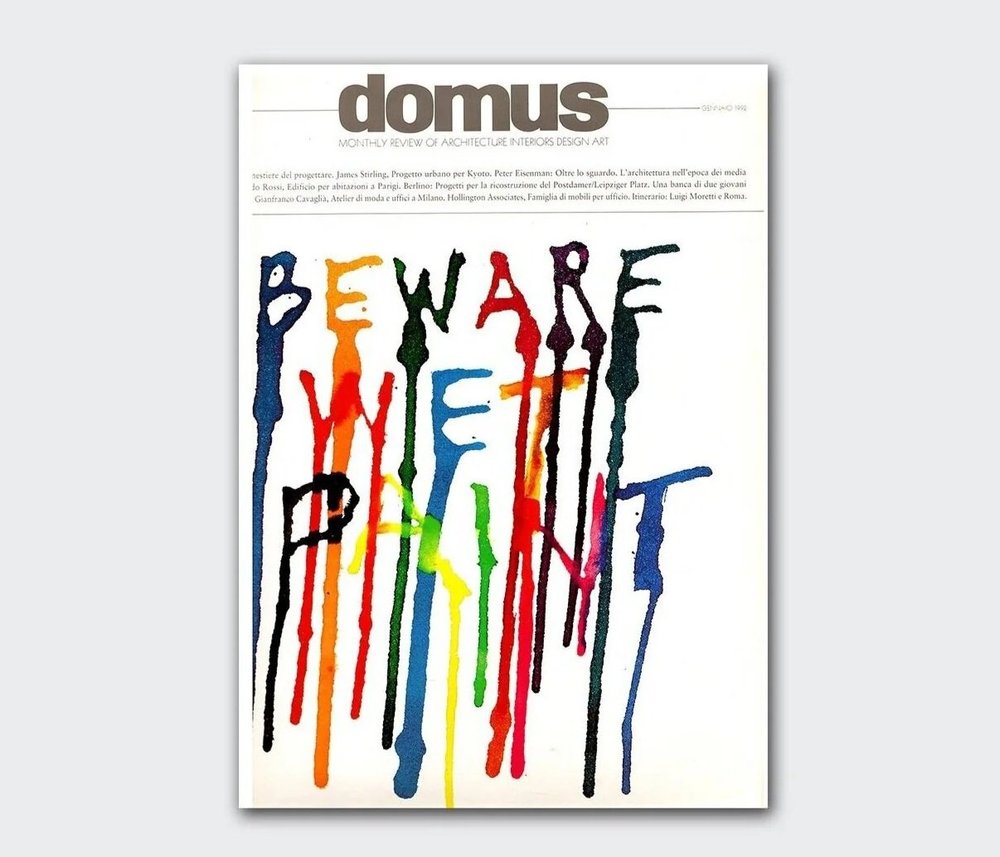
Writing in Domus, Enrico Morteo observed that, on occasion,
“British designers assume a straightforward approach, enabling their objects to capture all the complexity of a given situation, without overloading them with Baroque semantic implications.”
He went on to place Williams alongside emerging figures such as Jasper Morrison, Ron Arad, Nigel Coates, and Marc Newson, noting a shared sensibility.
Reflecting on that period, Williams explains:
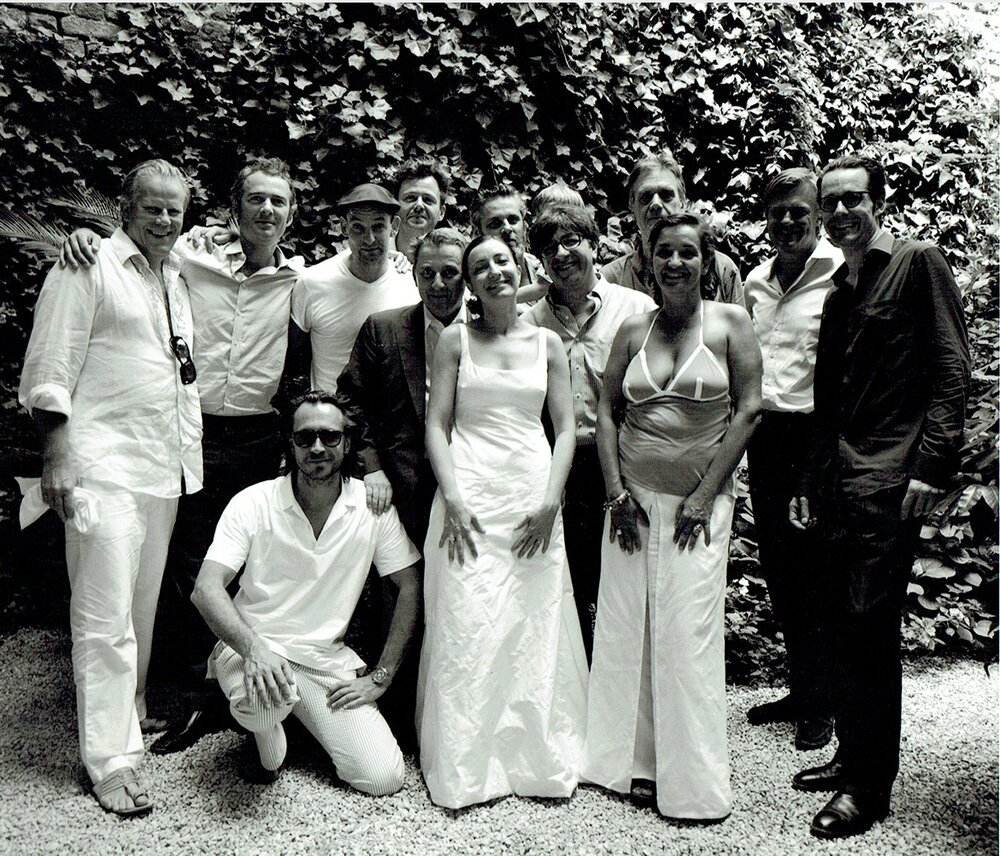
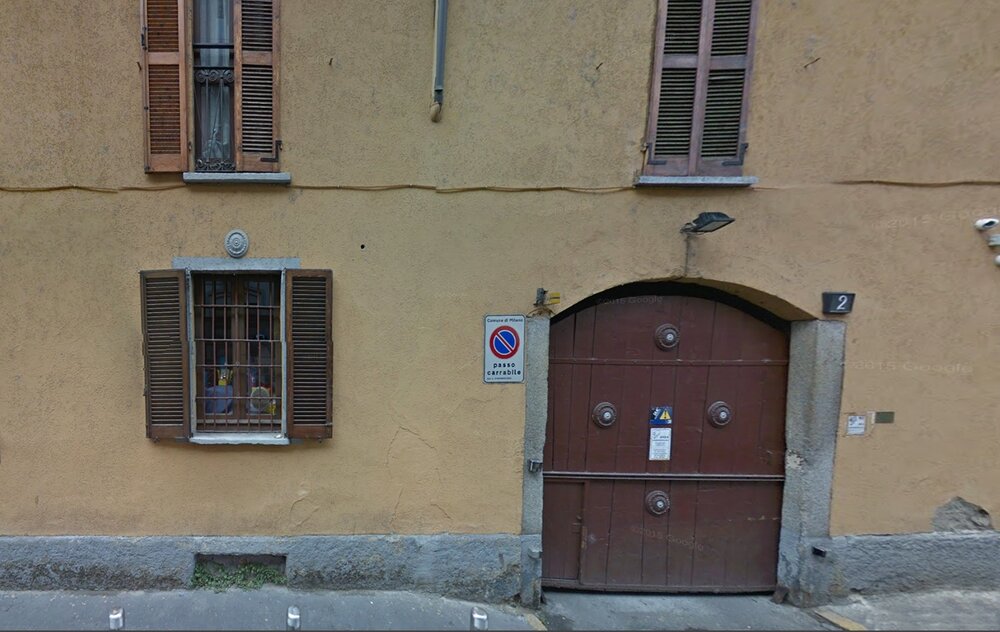
“I was fascinated by the people at Nava, especially in printing and packaging production — their deep knowledge of traditional printing methods being adapted to new digital machines. When I arrived in ’91, they were still clearing out old wooden blocks from the past; they were still using them. But it was the Italians’ attention to detail and perfection that stayed with me. They were perfectionists in design, printing, and production. They became my second family.”
That commitment to clarity, strength, and straightforward design has remained central to Williams’ philosophy ever since.
As Dario Moretti wrote in Ottagono in 2000,
“In a few years, Williams has created a series of small objects that insert themselves into the daily scene with a tranquil but precise identity… Williams is a designer who makes materials talk.”
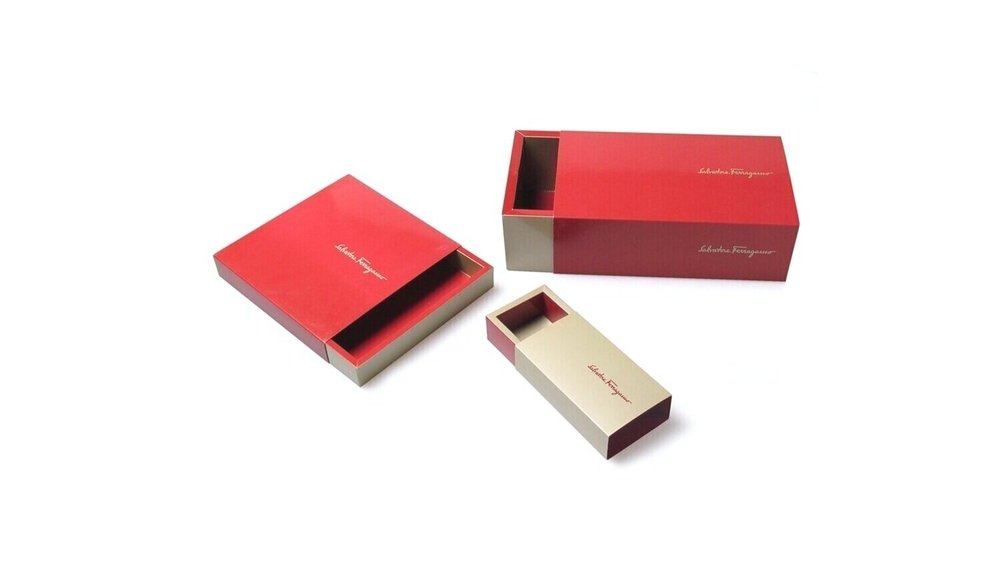
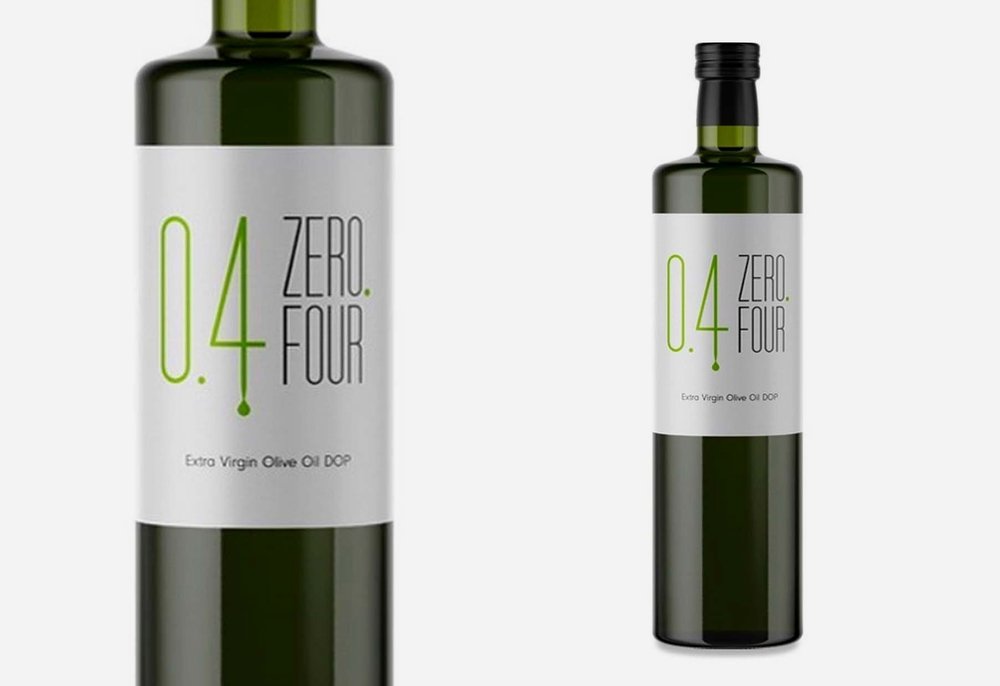
Williams went on to develop packaging for Prada, Ferragamo, and Armani. His understanding of how industrial methods underpin great design has remained constant throughout his career.
“I could see that design was about so much more than the product,” he explains. “I wanted to reach further into the mechanisms of a working company, the construction of an image, the direction of the company as a whole, and how products are made, produced, packaged, and communicated.”
That ethos was evident in his work for the French design company Lexon, which invited Williams to Paris for two weeks each month as Art Director, tasked with bringing soul to their products.
Writing in House & Garden, critics observed that
“Williams’ design spirit infused everything from the packaging to the catalogue to the products themselves.”
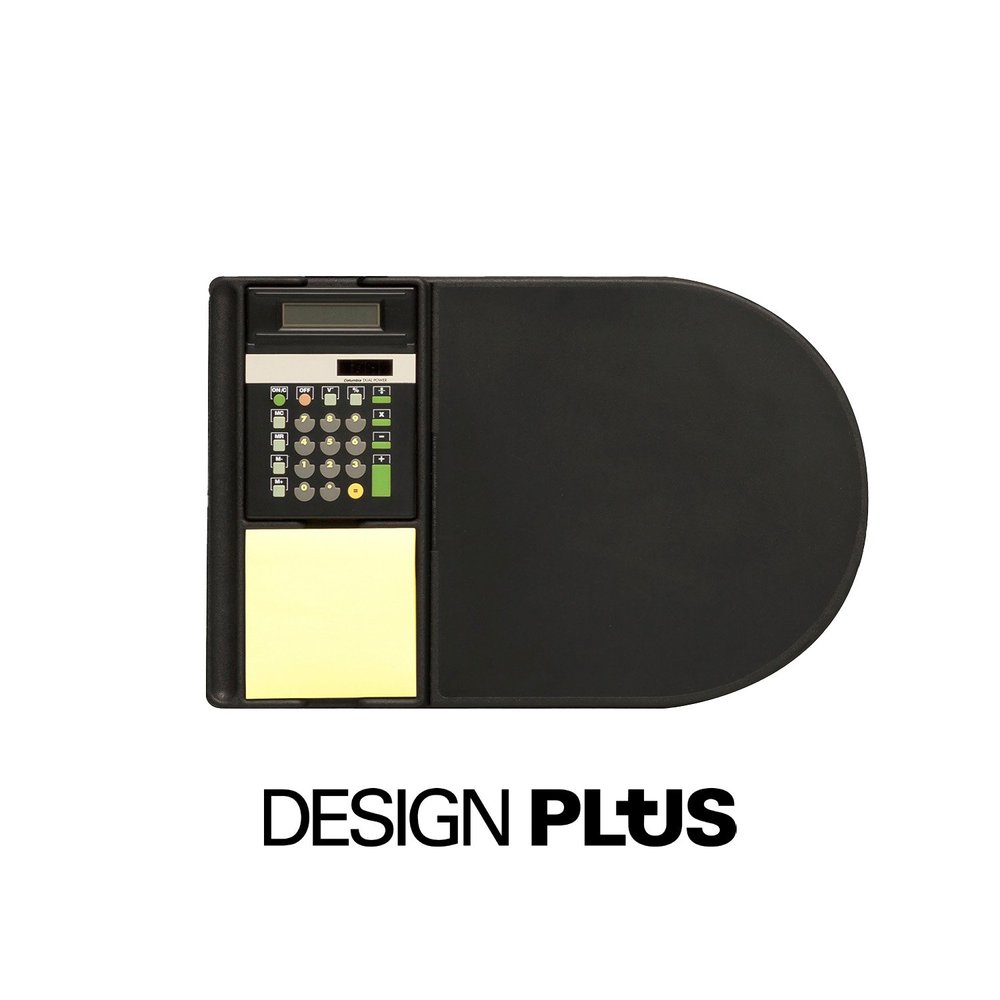
His OYO computer cord for Lexon was later awarded the Design Plus Award in 2002. During his early years, he won five DesignPlus awards.
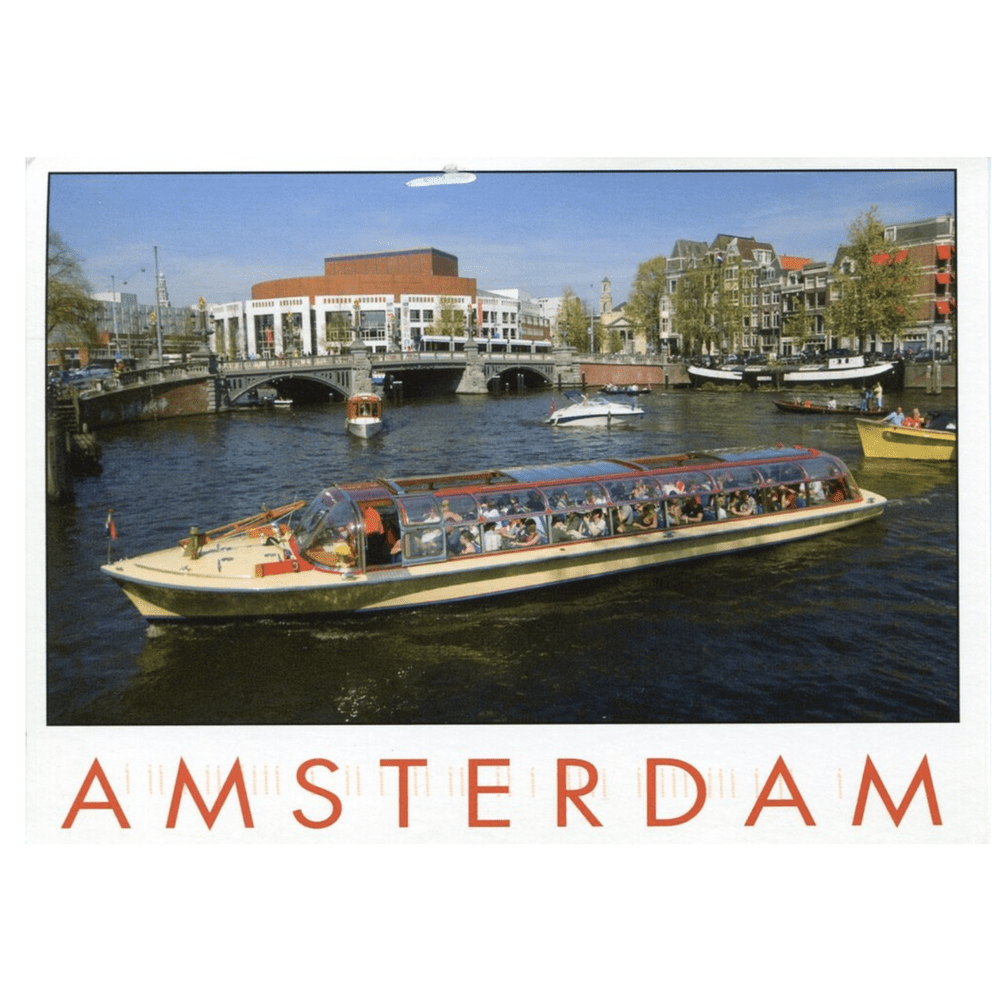
A collaboration with Japanese brand Mono Comme Ça followed, encompassing shop design, packaging, displays, and product development. Projects for Salvatore Ferragamo and Giovanni Testino, and a two-year period in Amsterdam as Design Director for Mexx, further cemented Williams’ credentials as both designer and creative director across Europe’s design capitals.
This extended European journey brought Williams back to the UK in 2006 to take up the role of Creative Director at Habitat.
The SS09 collection received widespread acclaim for its focus on the purity of product design, deliberately stepping away from the high-street convention of seasonal narratives in favour of well-developed objects and contrasting production techniques.
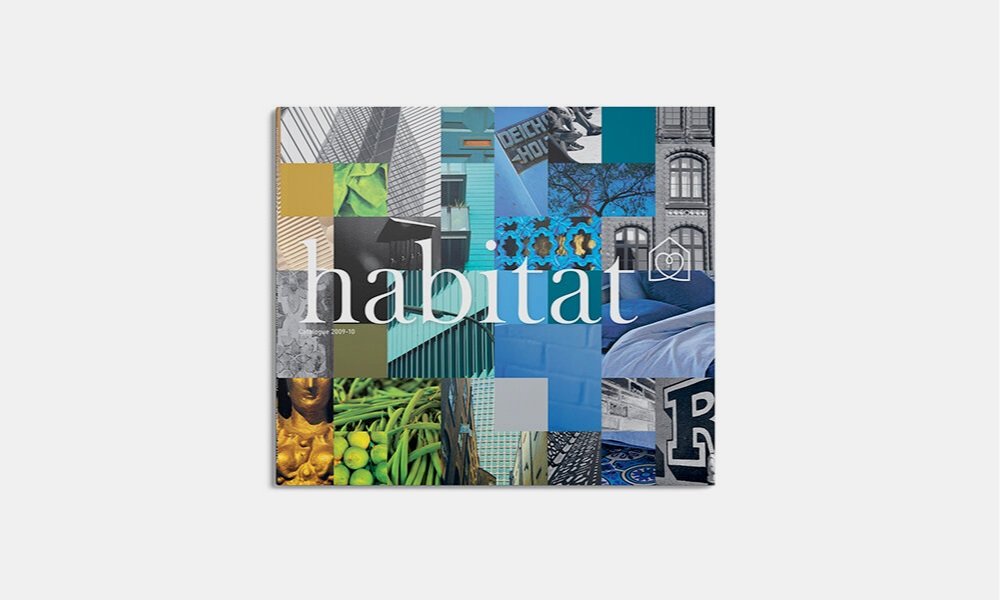
His 2009–2010 Habitat catalogue marked a turning point for both Williams and the company. Drawing together years of experience, it presented the home and the city as the environments we inhabit, offering an honest observation of contemporary living. The catalogue was met with critical acclaim and resonated strongly with Habitat’s heritage.
An influential two-year period as Head of Design at John Lewis followed. With responsibility for the design strategy of seasonal home collections, Williams made his mark through the creation of the HOUSE brand.
As John Lewis later noted,
“His work on the HOUSE range, in particular, has created an important legacy for our home product assortment.”
Williams is recognised as one of the few British designers to combine industrial design sensibility with a deep understanding of industry, cost, and manufacturing, applying that knowledge not only to products, but to the systems and structures that support them.
Paula C.